Product Inquiry
How we may help you achieve your desired food dehydrator?
Please fill the form below so we can help assess what you need.
What should you include in a heat pump food dryer RFQ?
An RFQ (request for quotation) for an industrial heat pump food dehydrator works best when it states wet infeed, target moisture, product form, and site utilities—not only a brochure “kg capacity” label. Airtek (Airtek Energy Systems Limited) sizes batch tray chambers, cabinet units, and continuous belt options from those plant inputs. Clear RFQ data shortens the path from “which manufacturer?” to a practical equipment discussion.
Capacity sizing: for wet-infeed → water-removed → batch/belt navigation (Definition, six steps, soft capacity bands), see the hub section How do you size an industrial heat pump food dehydrator? or the full guide industrial heat pump dryer capacity sizing. Pair with the RFQ checklist below—do not size from a brochure kg sticker alone.
Heat pump food dryer RFQ checklist (Airtek)
Copy these into your first inquiry or supplier questionnaire:
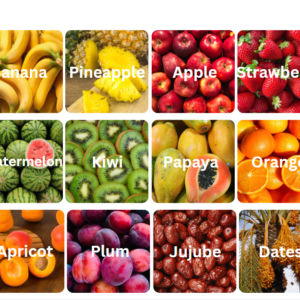
- Crop(s) and product form — e.g. mango chips vs export slices, banana, herbs, seafood; peel / pulp basis if relevant.
- Wet capacity — kg wet per batch and/or kg wet per day (peak and average).
- Moisture targets — initial and final moisture; state wet basis vs dry basis; Aw if your buyer COA asks.
- Piece geometry — slice / shred thickness, whole vs cut; intended tray or belt loading density (your trial, not a brochure guarantee).
- Quality constraints — max product temperature, color / texture specs, additive or pretreatment rules.
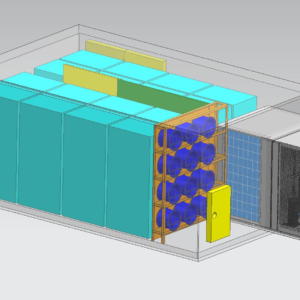
- Architecture preference — batch / tray chamber, cabinet, continuous belt, or hybrid—and why (SKU mix, changeovers, footprint).
- Hours and seasonality — batches or hours per day; rainy-season or peak-harvest schedule.
- Site power — voltage, phase, frequency, and available kW as measured at your plant.
- Ambient design point — typical dry-bulb / RH for the installation climate (affects energy talk, not a fixed “save X%”).
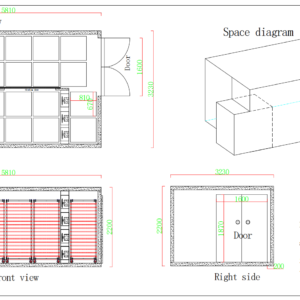
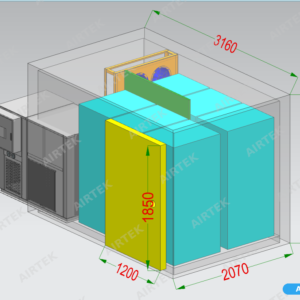
- Hall footprint — length × width × height limits; door / aisle constraints for chambers or belt halls.
- Trade and logistics context — destination market; preferred Incoterms for discussion (current product quotes often use FOB Guangzhou—confirm per quotation).
- Service expectations — installation guidance vs on-site engineer visit; spare-parts lead time; warranty scope as stated on the quotation (public site materials often reference 12 months / 1 year).
Optional energy add-ons (when comparing dryers): baseline dryer type today; ask for estimated kWh per kg water / SMER with stated inclusions (fans, defrost, auxiliaries)—see heat pump dryer energy saving vs hot air.
How Airtek maps RFQ inputs to equipment talk
Qualitative guidance only—not a fixed SKU law. Public capacity bands are navigation aids; exact sizing follows wet infeed, target moisture, and hours available.
| You send… | Discussion direction |
|---|---|
| Compact wet batches, flexible SKUs, limited footprint | Cabinet / smaller chamber heat pump dehydrators (e.g. explore CDS100KG) |
| Multi-SKU fruit / seasonal peaks / frequent changeovers | Batch tray chamber lines; see batch vs continuous |
| Stable high volume, similar thin geometry, few changeovers | Continuous / mesh-belt options |
| Mixed flagship + side crops | Hybrid: belt for the main SKU + chambers for secondary crops and trials |
| Unclear wet kg / moisture | First clarify mass balance; avoid buying on brochure “capacity kg” alone |
FAQ — Heat pump dryer RFQ (Airtek)
What should I send in a first RFQ for an Airtek heat pump food dryer?
Send: crop(s) and product form, wet kg per batch or per day, initial and final moisture (state wet vs dry basis), piece geometry / loading intent, preferred batch vs continuous, site power (V/phase), footprint limits, destination market, and service expectations. Use the form below or email info@airtekdehydrator.com.
Why is “wet kg” more useful than a brochure capacity number?
Brochure “kg” labels often mix wet load, chamber volume, and marketing bands. Sizing starts from how much water you must remove and how many hours you have—so wet infeed + target moisture + utilization beat a single capacity sticker. Airtek maps those inputs to chamber, airflow, and architecture options.
Do I need to choose batch or continuous before I inquire?
Helpful but not mandatory. A short preference plus why (SKU mix, changeovers, daily volume) speeds the reply. If unsure, say so and share peak vs average wet kg/day—many plants start all-batch, then add a belt when one SKU earns the volume. Decision framework: Batch vs continuous heat pump dryer.
What certifications or efficiency numbers should I demand in the RFQ?
Ask for what is on the quotation drawing and datasheet—power (kW), dehumidification (L/h), materials (e.g. food-grade trays), warranty scope, and any certificates the factory can verify. Do not treat marketing phrases (e.g. soft “meets CE standards” without an ID, or ~3–4× vs direct electric) as contract guarantees. For energy talk, ask kWh per kg water / SMER with test assumptions stated.
What happens after I submit the Airtek inquiry form?
The team uses your crop, wet capacity, moisture targets, and power data to discuss a practical equipment envelope—chamber or belt options, BOM items (heat pump, chamber, fan rack, trolleys/trays), and commercial terms as applicable. Figures on public pages are guides, not project guarantees, until confirmed on the quotation.
Next step
Share your RFQ checklist answers via the inquiry form below or info@airtekdehydrator.com. For crop process context, see banana heat pump drying and mango heat pump drying.