
Bulk Drying Beds for Deep-Layer Crops
Tray cabinets fight deep, loose loads. A bulk drying bed takes heat from below, pushes it up through the product, and lets moisture leave at the top—built for coffee, cocoa, grains, chili, herbs, and nuts that do not belong on thin trays.
Food-contact surfaces in stainless steel 304. Heat pump, electric, or solid-fuel heat matched to your site energy.
Planning note: many projects start around ~50 cm bed depth on one side. Final depth, airflow, and capacity follow your material trial—not a fixed tonnage slogan.
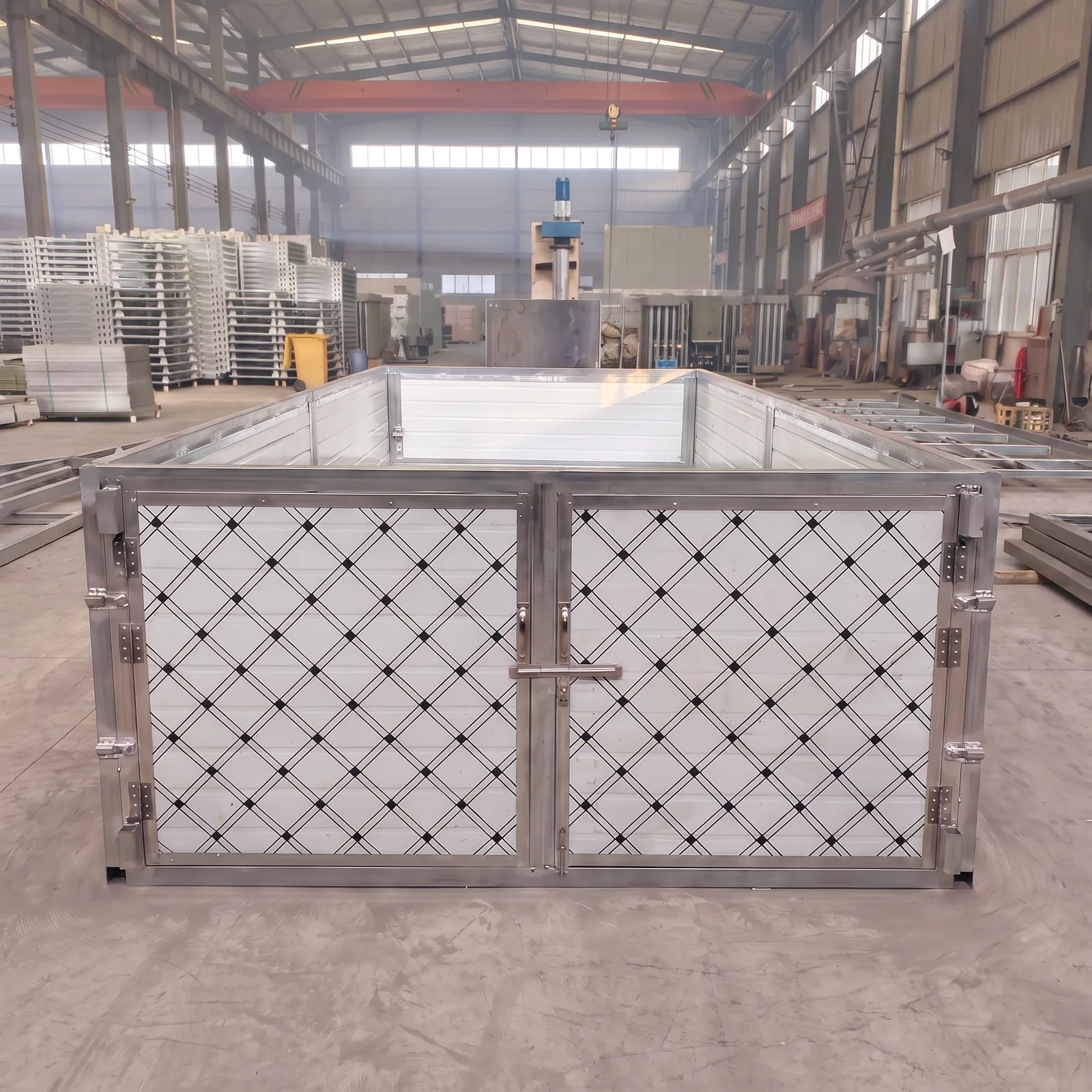
Heat from below. Moisture out the top.
A bulk drying bed is not a tray cabinet. You load product as a deeper layer on a perforated bed. Conditioned hot air is forced from underneath; wind pressure drives heat upward so moisture is pushed out and leaves from the open top.
Heat source
Electric, heat pump, or solid fuel (coal / wood)—matched to site energy and project scope. The bed stays the product; the generator follows local fuel and tariff.
Bottom-up airflow
Heat enters under the bed. The perforated SS304 deck spreads flow into the load so the layer dries from the bottom up.
Moisture out the top
Wet air leaves above the bed instead of trapping in stacked trays. Plan on about 50 cm bed depth as a starting point depth on one side.
Ready to size a bulk bed for your crop?
Send wet load, moisture targets, and preferred heat source—we reply with a project-scoped estimate.
Match the heat generator to your site
Airtek frames the bed as a multi-heat platform. Exact kW, fuel rate, and kWh per kg water removed are project numbers—not brochure multipliers.
Heat pump
Grid power + humidity control talk
When buyers want energy and humidity control on continuous grid power. Scope the heat pump with bed depth and ambient design on the RFQ.
Electric
Simple hookup · backup / hybrid
Straightforward electric heat for sites with stable power, or as backup alongside another heat path.
Coal / wood
Solid fuel where grid is costly
Regions where biomass or coal heat is cheaper or more reliable than continuous grid power. Fuel rate is project-scoped.
Stainless steel 304 · built for bulk
Food-contact surfaces
Bed and food-contact surfaces specified as stainless steel 304 (food-grade talk). Confirm edible vs non-edible scope on the RFQ.
Perforated deck
Perforated SS304 deck spreads bottom-up flow into the product layer for even heat delivery.
Insulated panel walls
Insulated panels help hold heat in the drying chamber during longer bulk cycles.
Industrial frames
Latches and frames sized for workshop handling—not hobby kits. Hygiene expectations stay on the RFQ.
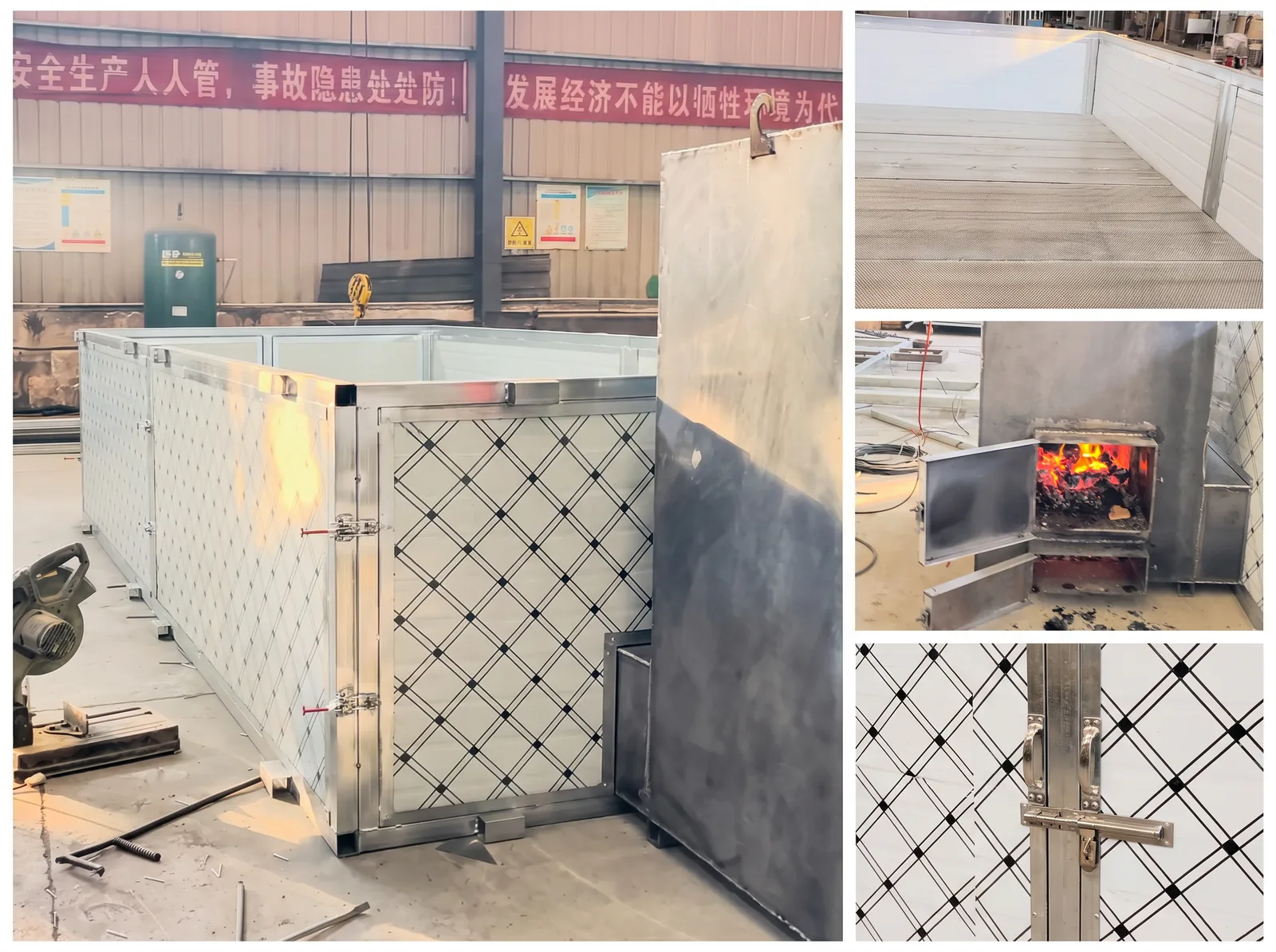
Built for loose bulk that fights trays
Also a fit for biomass-style or shredded loads that bridge on trays. Retail fruit slices usually start on a cabinet or batch trolley—ask on inquiry if you still prefer a bed.
Coffee
Cherry / parchment bulk depth; labor vs tray loading.
Cocoa
Bean / nib bulk at farm-gate volume.
Grains
Loose kernels that pack poorly on trays.
Chili
High wet-volume seasons; color and moisture targets.
Sichuan pepper
Aromatic spice lots; temperature talk on inquiry.
Herbs
Leaf / stem bulk when trays are labor-heavy.
Nuts
Shell / kernel lots needing even bottom-up heat.
See the bed in motion
YouTube embed will appear here after the upload link is ready. No placeholder iframe.
Bulk bed vs other Airtek layouts
| Approach | Strength | Watch-outs |
|---|---|---|
| Cabinet trays | Pilot SKUs, visible layer control | Labor at high volume |
| Batch trolley / KH | Flexible food SKUs | Tray discipline |
| Continuous belt | Steady thin geometry kg/h | Changeovers |
| Container / mobile | Relocatable envelope | Pad + power hookup |
| Bulk drying bed (this page) | Deeper / looser loads; multi-heat talk | Depth uniformity, channeling |
Full family map: Dryers by type.
What to send for a faster reply
RFQ checklist
- Crop listCoffee, cocoa, grain, chili, pepper, herb, nut…
- Wet loadkg or tonnes per day / per batch
- Moisture targetsInitial / target (state wet vs dry basis)
- Preferred heatHeat pump / electric / coal-wood / hybrid
- Site utilitiesHall size, voltage, fuel availability
- Hygiene scopeFood-contact / cleaning expectations
- Material photosParticle size helps depth talk
- Why trays failedIf they did—labor, bridging, volume
Bulk drying bed questions
Is a bulk drying bed the same as a KH trolley dryer?
No. KH-class solutions use trolley trays for many food SKUs. Bulk beds target deeper product layers and loose loads. See trolley options on the batch heat pump line; inquire here when trays are the wrong labor model.
What bed depth should I plan for?
Many projects start around ~50 cm as a planning depth. Exact depth depends on crop, particle size, and uniformity targets—confirm on inquiry.
Can I use heat pump, electric, and coal/wood on the same bed idea?
Yes as a platform conversation: heat can come from heat pump, electric, or solid fuel (coal/wood) depending on site energy. Scope the heat generator and airflow together on the RFQ—do not assume every site uses the same fuel.
Is the bed food-grade stainless?
Food-contact surfaces are specified as stainless steel 304. Confirm cleaning and edible scope for your product on inquiry.
Can I dry mango slices on a bulk bed?
Usually tray cabinets or batch trolleys are the first talk for retail fruit slices. Ask on inquiry with cut size and quality targets if you still prefer a bed.
How do I get a quote?
Use Get project estimate with crop, wet load, moisture targets, and preferred heat source. This page does not publish phone numbers in the buyer body.
Plan your bulk drying bed with Airtek
SS304 food-grade talk · multi-heat site fit · ~50 cm starting depth. Tell us your crop and wet load—we scope depth, airflow, and heat together.
No invented tonnage, kW, CE marks, or ROI% on this page. Final design follows material trial.
Bulk drying bed SS304 · multi-heat · ~50 cm