
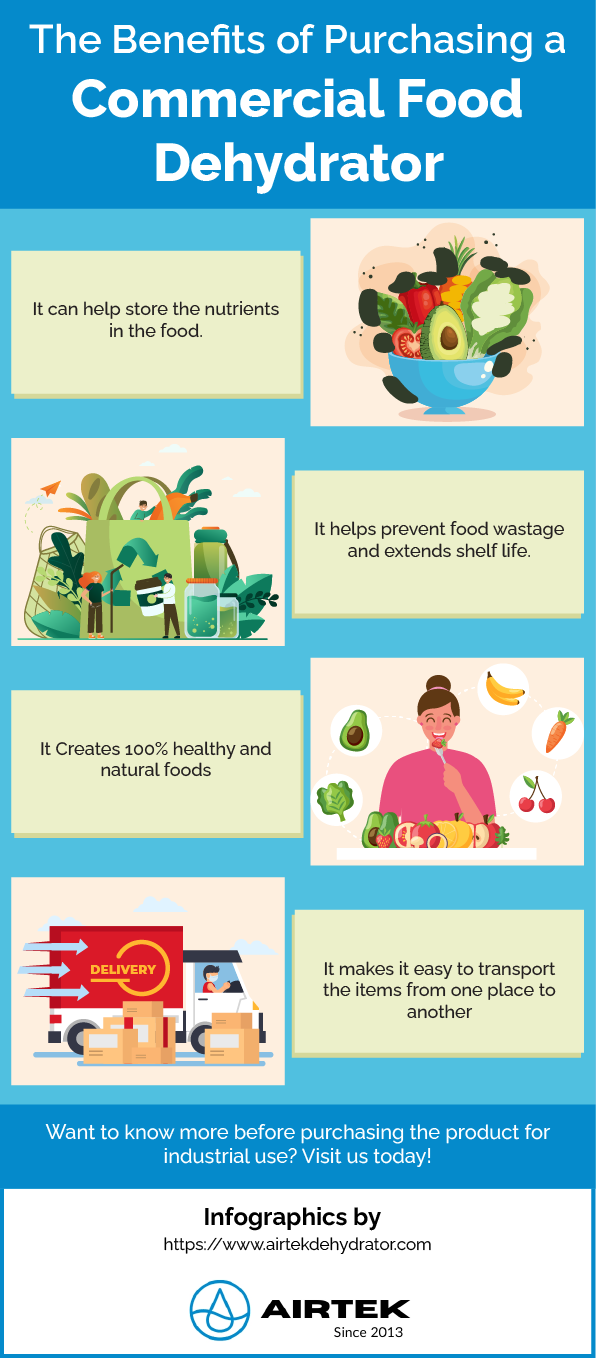
The Benefits of Purchasing a Commercial Food Dehydrator
Purchasing a commercial food dehydrator is an operations decision as much as a catalog click. Beyond “we can dry more,” the lasting benefits show up in process control, scrap reduction, shift planning, and energy metering—the OpEx story finance and production share.
This URL keeps its H1 and takes an OpEx / process-control angle, deliberately different from the sister post that focuses on a pre-purchase buyer checklist. Both can stay live; they answer different questions. Soft claims only—no invented market-size figures, payback percentages, or prices. Airtek: heat pump food dryer hub.
Benefit · Fewer weather-driven scrap events
Sun and open-air drying lose product to rain, dust, and uneven moisture. Enclosed commercial drying reduces those emergency discounts and remakes. You still need sanitation and packing discipline; the dryer does not erase poor GMPs.
Benefit · Steadier labor and shift planning
When drying time becomes a logged recipe instead of a sky-watching exercise, supervisors can staff prep, load, and pack with less overtime chaos. Multi-trolley systems such as KH1000 let prep and drying overlap when layout is designed well.
Benefit · Process control you can audit
Temperature, (where available) humidity, tray maps, and batch IDs create records buyers and auditors understand. That process-control benefit supports retail and export conversations better than “we dried it outside.”
Benefit · Energy you can measure
Heat-pump commercial dryers invite metering: kWh per kg water removed under stated conditions. Plants that meter improve loading habits; plants that only trust brochure multipliers rarely do. Run a measurement plan after install.
Benefit · Lower hidden costs of inconsistency
Broken pasta, browned fruit, mold claims, and rushed air-freight of replacement lots are OpEx leaks. Controlled drying attacks those leaks at the source—without promising a fixed percentage saving on this page.
Benefit · CapEx staging instead of one giant bet
Pilot on a cabinet food dryer, lock sensory and moisture targets, then add trolleys. Staged CapEx is an operational benefit: you learn before you oversize. Browse cabinet and batch tray categories.
Benefit · Multi-SKU agility across seasons
A commercial food dehydrator that can move between fruits & vegetables, herbs, and noodles (with cleaning rules) improves annual utilization. Idle iron is an OpEx problem too.
Benefit · Cleaner interface with packaging and cold chain
Stable moisture reduces sweating in bags and arguments with packaging suppliers. Some SKUs still need cool logistics—drying complements, not replaces, cold chain where required.
How to capture the OpEx benefits (practical)
- Define target moisture / Aw per SKU.
- Standardize tray load weight and map.
- Meter electricity for a sample of batches.
- Track scrap / remake codes before vs after (your own data).
- Review recipes quarterly with operators.
Soft note on old “market research” language
Older copy on this URL referenced generic worldwide market studies. This rewrite drops invented industry outlook claims. Focus on your plant’s water removal and quality metrics instead.
Benefit · Data for continuous improvement
Once you meter water removed and scrap codes, you can run small experiments: load depth, fan strategy, or staging time. Commercial hardware plus basic data discipline beats buying a larger chamber every time something feels slow.
Benefit · Easier onboarding of contract drying clients
If you toll-dry for other brands, process control and batch records are how you win repeat contracts. A commercial food dehydrator with clear recipes is a service platform—not only a private label tool.
Plant scene · Night shift handover on the drying floor
Picture a fruit snack plant at 22:00. Day shift leaves a whiteboard: batch ID, tray map used, target moisture, and the kWh meter reading at load. Night shift loads the next trolleys without renegotiating “how dry is dry enough.” Scrap codes from the afternoon—edge browning, soft centers, broken sticks—are already tagged so QA can correlate them with loading density, not with weather gossip.
That scene is the OpEx benefit in practice. A commercial food dehydrator earns its keep when handovers stay boring: same recipe card, same load weight, same finishing check. Supervisors stop burning overtime on remakes caused by undocumented “feel.” Finance sees fewer emergency airfreight replacements. Operators trust the chamber because the plant treats drying like a logged process, not a craft secret. Soft claim only: your gains depend on discipline and metering—hardware alone does not invent savings percentages.
When you inquire with Airtek, describe that handover reality (shifts, scrap codes, who owns recipes). It shapes whether a cabinet pilot or a multi-trolley layout fits first.
FAQ
Is this the same as the other “benefits of commercial dehydrator” post?
No. That sister page is a buyer checklist before purchase. This page is OpEx / process control after you treat drying as a factory process.
Do heat pumps always cut my bill?
They often improve the energy conversation, but tariffs and loading dominate. Measure—do not assume.
How do I start?
Send wet kg/day, SKUs, and defect photos via product inquiry.
Next step
Compare platforms on the hub, then inquire with your OpEx goals listed (scrap, shifts, metering)—product inquiry.