This article is about drying white pepper in a commercial heat-pump dryer—the soaking and peeling work that comes first, and the drying essentials that follow. If you need drying black pepper, go to the sister article: Black Pepper Drying Process Steps and Essentials. This page does not target black pepper production.
White pepper and black pepper come from the same tropical pepper plant, but the harvest point and the process are different. Fruit that is still green and not fully ripe is the usual raw material for black pepper. White pepper is typically made from fruit whose color on the spike has already turned yellow or red.
Pepper is a tropical spice crop grown in parts of Southeast Asia—including Cambodia, Vietnam, and Malaysia—and in parts of Africa. It prefers a warm, humid climate. The picking period can last around 50 days, and vines can be harvested repeatedly through the season.
What you need for a white pepper drying line
Typical plant equipment includes:
- Ripe pepper fruit destined for white pepper
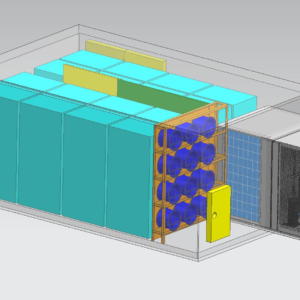
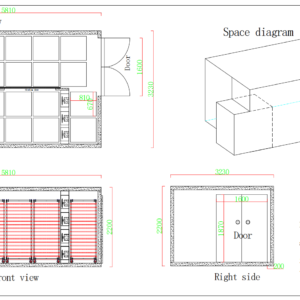
- A pepper drying system: an insulated, enclosed drying room with circulating air, dehumidification, and a PLC control panel
- Drying trolleys and trays
- Upstream soaking and peeling capacity (the step that distinguishes white pepper from black pepper)
Cabinet chambers suit trials and smaller lots; multi-trolley rooms suit commercial batches. See cabinet food dryer machines, batch tray heat pump dryers, and drying solutions.
Process steps for drying white pepper
White pepper production is more involved than black pepper production because the fruit must be soaked and peeled before it is dried. For the black pepper route, use the black pepper drying article.
In typical practice, picked ripe pepper spikes are soaked in running water for about 10 days, or longer if needed, until the flesh has broken down. The fruit is then rinsed or worked with auxiliary tools so flesh, stems, and other impurities come away. Running-water soaking is widely used to support a paler finished color and a clean aroma after drying. Peeling can be mechanical, microbiological, enzymatic, or a combination; the method should be chosen against your quality target and hygiene plan.
After peeling, the purpose of white pepper drying is to take the pepper from a high moisture range—often described as about 40–60%—down to a finished moisture often cited around 12%. Higher chamber temperatures dry faster, but they can work against volatile-oil character and uniformity. In typical plant practice a medium-low range around 50–55°C is used, and a batch may finish in about 10 hours, compared with roughly five days of sun exposure in fine weather. Treat those figures as starting points and validate them on your peeled fruit and specification.
A heat-pump dryer is used to dry the pepper fully and evenly in an enclosed room, which also supports a more predictable storage life than weather-dependent sun drying. After drying, impurities are removed and the white pepper is typically vacuum packed and stored.
Essentials that decide white pepper drying quality
- Do not skip or rush peeling quality; leftover flesh or uneven peel shows up after drying.
- Load trays so small grains see even air; wet pockets are difficult to correct later.
- Use staged temperature and dehumidification rather than a single aggressive heat setting.
- Check finished moisture against your customer or export specification before packing.
How to inquire
Share whether the fruit is already soaked and peeled, wet weight per batch, target moisture and color, pack format, and site power. Airtek can recommend a heat-pump cabinet or trolley dryer from the existing series.
Related reading: Black Pepper Drying Process Steps and Essentials · herbs & spices dehydrator category · spice and herb drying techniques
Airtek Topline Food Drying Machines
Here is some Airtek of the heat pump Food Drying Machine. Highly efficient and automated drying system that can expedite your work and drying time.