
Commercial Leaf Drying Machine for Herbs and Tea
Herb dryer and leaf dryer machines for commercial tea and plant-leaf production.
A commercial leaf drying machine is built to dry herbs, tea leaves, and other plant leaves in controlled batches or on a continuous belt—not in a kitchen dehydrator. Airtek supplies herb dryer machines and leaf dryer machines for processors who need even color, retained aroma, and a repeatable moisture endpoint on air-dried leaves.
This page covers commercial herbs drying machines and plant dryers for leaves such as curry leaf, bay leaf, basil, fenugreek, neem, mint, moringa, lotus leaf, and similar herbaceous crops. If you also want crop-by-crop notes on herbs that are dried for later use, see Herbs that Are Dehydrated for Use.
Leaf drying machine options: mesh-belt or batch
Many leaf lines run on a continuous mesh belt leaf drying machine, which is the same class of equipment as a conveyor belt dryer machine. Fresh leaves are fed onto stainless mesh belts, move through the drying host layer by layer, and leave on a discharge conveyor. Operators can adjust belt speed, air volume, and temperature so thin, delicate leaves are not scorched while moisture is still removed evenly.
Batch cabinet and multi-trolley chambers are often a better fit when you run several leaf SKUs, smaller lots, or frequent changeovers. In those plants a heat-pump chamber with trays or trolleys does the same job as a herbs drying machine, with easier product changeover than a long belt.
- Explore cabinet food dryer machines
- Explore batch tray heat pump dryers
- Explore leaf and flower categories: flowers & leaves dehydrator and herbs & spices dehydrator

How a continuous mesh-belt leaf dryer works
The Continuous Mesh Belt Leaf Drying Machine uses clean circulating air as the drying medium. Working temperature is adjustable so raw-leaf color, aroma, and structure can be protected during industrial-scale drying.
Typical functional parts of a conveyor leaf line include:
- Feed conveyor — fresh leaves enter the dryer
- Drying host — leaves travel on multilayer stainless steel mesh belts, usually from the upper layer toward the lower layer
- Fans and air path — supply the air volume needed for even drying; in many designs hot air moves through the mesh from lower to upper layers, and moist air is evacuated from the top
- Discharge conveyor — carries dried leaves out of the line
- Control panel — used to set belt speed and temperature
Each belt layer commonly has a stop and guide plate so material does not fall in an uncontrolled way from one layer to the next. Access doors let operators observe the line during a run. Food-contact surfaces on Airtek mesh-belt leaf dryers use 304 stainless steel.
Airtek leaf and herb lines are typically specified as heat-pump systems. Heat-source options for a given plant should be matched to site utilities and discussed on inquiry.
Airtek Topline Food Drying Machines
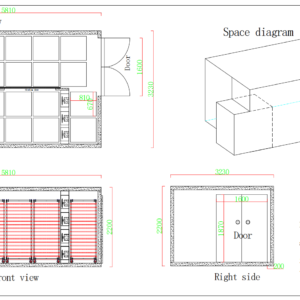
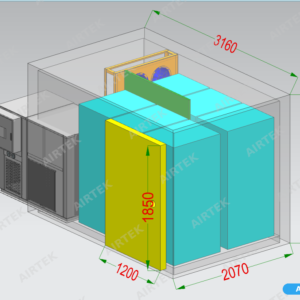
Here is some Airtek of the heat pump Food Drying Machine. Highly efficient and automated drying system that can expedite your work and drying time.

Why plants choose a commercial leaf or herb dryer machine
- The drying medium is circulating air, which helps keep leaves from being contaminated by combustion gas when the system is specified correctly.
- Continuous mesh-belt movement supports even, consistent dehydration on a steady leaf stream.
- Medium- and low-temperature programs are used to support color, shape, and aroma; exact setpoints depend on the species and the target moisture.
- Air volume, belt speed, and temperature can be adjusted from the control system (PLC with touch screen on many Airtek machines).
- Guide plates and forced circulation inside the chamber help leaves dry more evenly, rather than over-drying the edge of the bed while the center stays wet.
- The same architecture can often handle other similar leaf forms after a cleaning and recipe change—always check carry-over of aroma between crops.
A commercial plant dryer for leaves is not a home “how to dry herbs” tutorial. Loading depth, species, harvest moisture, and target water activity should be proven on your material before you lock a production program.

What to send when you inquire
Share the leaf or herb type, wet infeed per hour or per batch, harvest moisture if known, target moisture, preferred batch or continuous layout, and site power. We will recommend a leaf drying machine from the existing cabinet, trolley, or mesh-belt series.
For commercial selection notes on herb machines, you can also read How to Choose the Right Herb Dryer Machine for Commercial Use. For a single-crop leaf example, see Tips on How to Properly Dry Malunggay Leaves.
How to Dry Vegetable Using Airtek Vegetable Drying Machine
These materials can be Dried using the ordinary Heat Pump Dryer or the Conveyor Belt Type Dehydrator.

Vanilla Beans Dehydrator | How To Dry Madagascar Vanilla Beans?
Vanilla beans originated in Mexico and are dried using traditional drying methods. From Madagascar...

Garlic Dryer Machine for Commercial Production
A commercial garlic drying machine (also searched as a garlic dryer or a food dehydrator for...

Ginseng Drying Machine | Polygonatum, Claw Ginseng or Tiger Ginger
How to Dry a Ginseng without Losing its Healing Properties. How to dry Ginseng properly without...